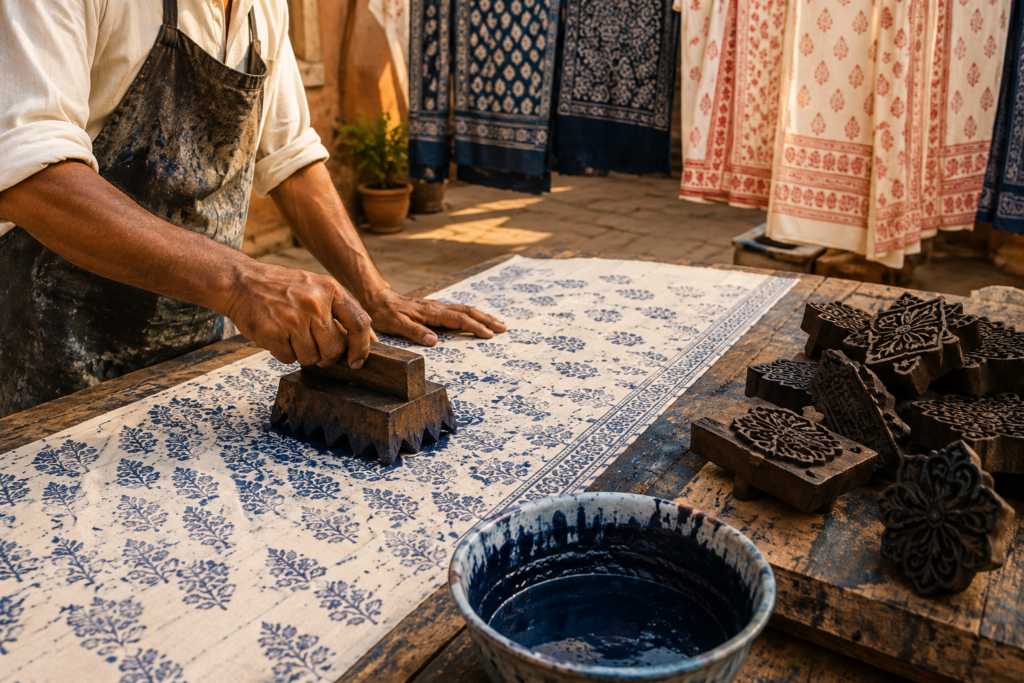
If you’ve ever picked up a hand-printed scarf or a block-printed kurta and noticed how the colors feel warm, slightly uneven, and somehow alive — that’s not a coincidence. That’s what happens when fabric is dyed with natural dye printing instead of factory chemicals. No two batches ever look exactly the same, and that’s the whole point.
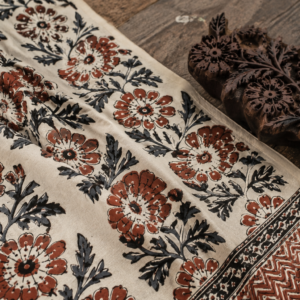
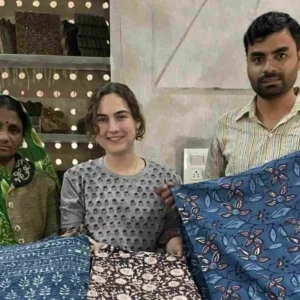
Close-up of a naturally dyed, hand block printed fabric folded on a wooden table, showing color variation “Hand block printed fabric dyed with natural colors in Bagru”
At Anaprinta, we’ve grown up around this craft. Our studio sits in Bagru, a small town near Jaipur that has been quietly perfecting this plant-based printing tradition for centuries — long before “sustainable fashion” became a buzzword anyone talked about. In this blog, we’re walking you through what natural dye printing actually is, how it’s made from plants, flowers, and minerals, why it still matters today, and why so many people choose to learn it — or buy it — from Anaprinta and its owner, Anup Chhipa.
What Is Natural Dye Printing?
Natural dye printing is exactly what it sounds like — printing fabric using colors extracted from nature instead of synthetic, chemical-based dyes. Instead of a factory-made pigment, the color comes from plant roots, leaves, flowers, bark, minerals, and even insects. These natural colors are boiled, fermented, or mixed with a fixing agent (called a mordant) so they bind permanently to cotton or silk fibers.
Unlike pigment printing, which simply sits on top of the fabric like a coat of paint, this plant-dyeing method actually penetrates the fibers. This is why naturally dyed fabric softens and looks even better with time and washing, instead of fading into a dull, flat version of itself.
This isn’t a new trend either. It’s one of the oldest textile techniques known to human civilization, and Bagru, along with a handful of other towns in India, kept this knowledge alive when the rest of the world moved on to cheaper, faster chemical dyes.
The Story Behind Bagru’s Natural Dye Printing Tradition
To really understand why natural dye printing in Bagru is special, you need to know a little about the place itself. Bagru is home to the Chippa community — a name that literally means “those who print.” For 400 to 500 years, generations of this community have printed fabric using hand-carved wooden blocks and colors pulled straight from the earth.
[ Artisan mixing natural dye in a large vat in a Bagru courtyard — Artisan preparing natural dye in Bagru workshop
Two things are widely said to have made Bagru the right place for this craft: groundwater suited to washing and dyeing fabric without leaving stains or streaks, and access to mineral-rich clay and plant material used in dyeing and mud-resist work. Even today, if you walk through Bagru early in the morning, you’ll see courtyards lined with drying fabric, artisans mixing dye in large vats, and wooden printing blocks — some passed down through the family for decades — still doing the job perfectly.
This living tradition is exactly what Anaprinta is built on. We’re not a modern brand trying to imitate an old craft — we’re part of the same community that has been doing this work for five generations.
How Natural Dye Printing Actually Works — Step by Step
Here’s where the real magic happens. Making a single piece of naturally dyed, hand block-printed fabric takes real time, not minutes, and every stage is done by hand.
Step 1: Preparing and Washing the Fabric
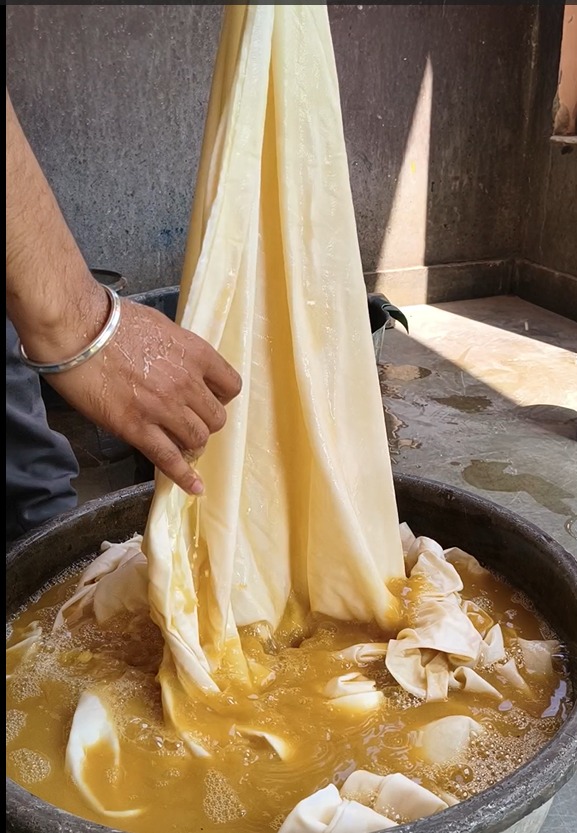
Raw cotton fabric being washed by hand before dyeing — “Washing raw cotton fabric before natural dyeing in Bagru”]
Before any color touches the cloth, raw cotton or silk is washed thoroughly to remove starch and impurities. This step matters more than people realize — if the fabric isn’t cleaned properly, the dye won’t sit evenly, and the final colors will look patchy instead of rich.
Step 2: Mordanting the Fabric
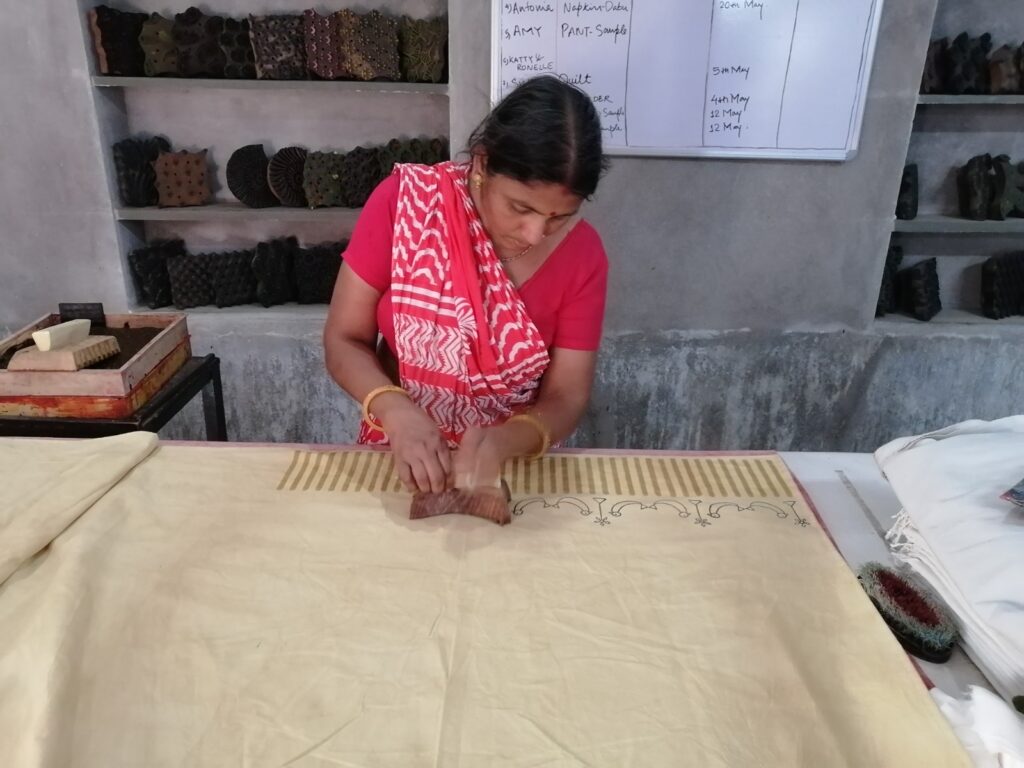
soaking in a mordant solution before dyeing — “Mordanting fabric before natural dye printing process”]
This is the step most people don’t know about, but it’s the reason natural fabric dye actually lasts. A mordant (commonly alum, myrobalan, or iron) is applied to the fabric before dyeing. Think of it as a bridge — it helps the natural dye molecules bond tightly to the fabric fibers so the color doesn’t wash out after a few uses.
Step 3: Preparing Natural Colors from Plants, Flowers, and Miner
Various natural dye ingredients laid out — indigo leaves, madder root, marigold, turmeric — Alt text: “Natural dye ingredients used in Bagru hand block printing”]
This is the most fascinating part of the whole process, and it’s where natural dyes from flowers and other plant sources come in:
- Indigo (blue): Extracted from the indigo plant and fermented in deep vats for weeks. This is where natural indigo dye comes from — one of the oldest and most prized dyes in the world.
- Madder root (red): Boiled to release a deep, earthy red. This is a classic example of a vegetable dye used across Bagru for generations.
- Turmeric and pomegranate rind (yellow): Common sources for warm yellow tones, also drawn from plant and root material rather than any synthetic pigment.
- Marigold and other flowers: Used to create soft yellows and golden hues, a great example of how natural dyes from flowers are still very much part of everyday printing in Bagru.
- Iron and jaggery fermentation (black): Known locally as Syahi, used for deep black outlines.
Every one of these is a form of vegetable dye or plant-based color — nothing synthetic, nothing chemical. In fact, most of what’s used in this workshop can be traced back to a root, a flower, or a mineral you could point to in a garden or a kitchen.
Step 4: Carving and Choosing the Wooden Blocks
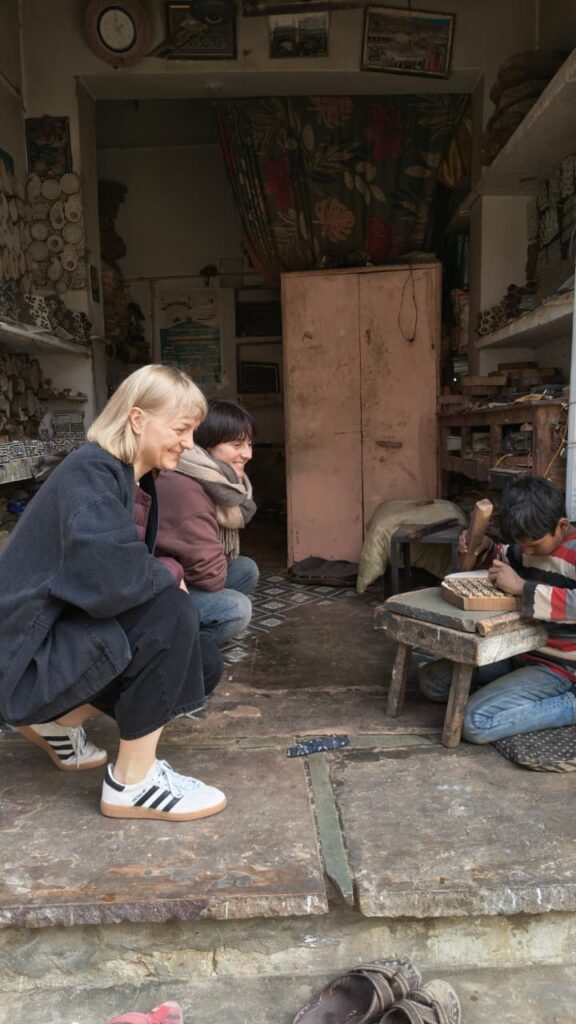
Hand-carved teakwood printing blocks arranged by pattern — “Hand-carved wooden blocks used for Bagru textile printing”]
While the dyes are being prepared, artisans select hand-carved teakwood blocks based on the motif they want — florals, paisleys, geometric patterns, or traditional Bagru designs passed down through generations. A single block can take days or weeks to carve.
Step 5: Block Printing the Fabric
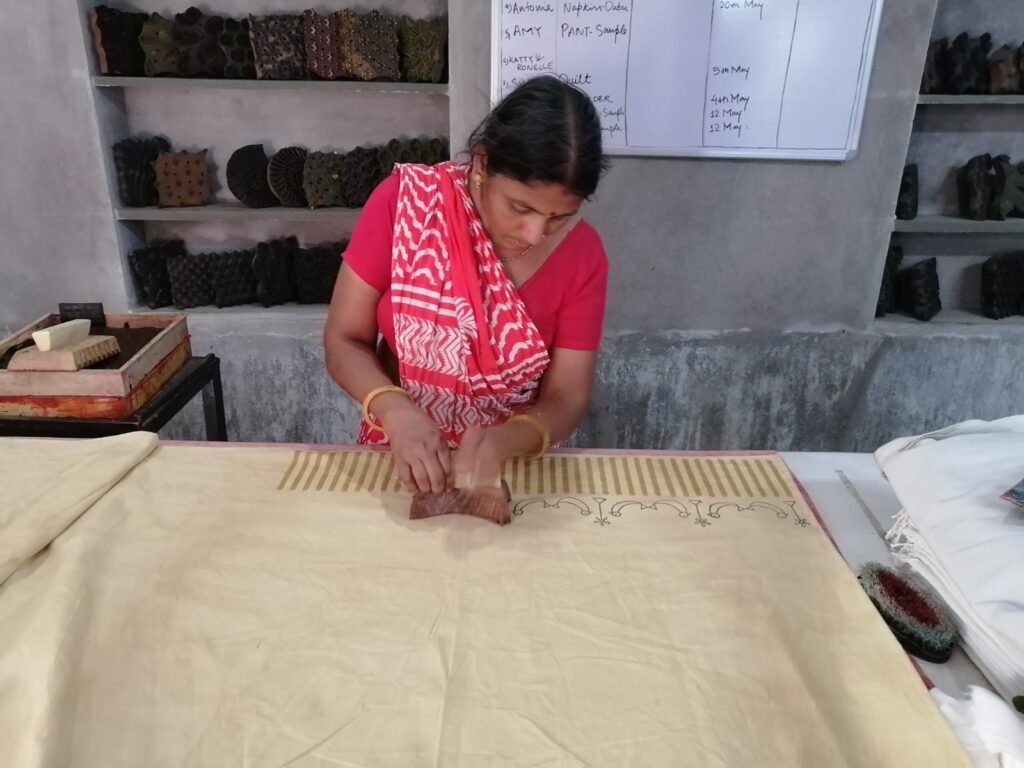
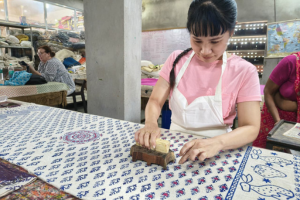
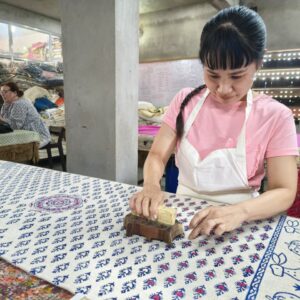
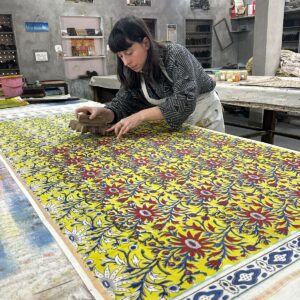
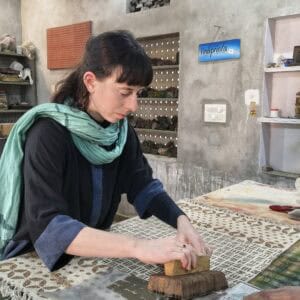
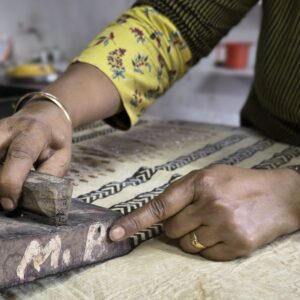
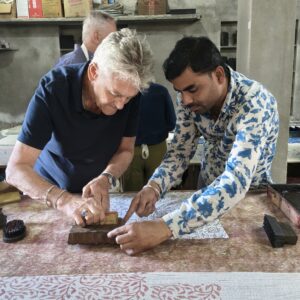
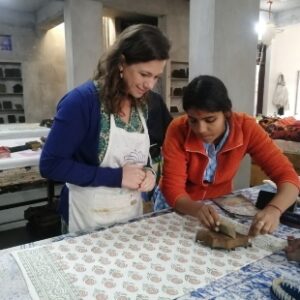
Artisan pressing a wooden block onto fabric by hand — “Hand block printing fabric with natural dye in Bagru”]
The carved block is dipped into the natural color and pressed firmly onto the cloth by hand, one impression at a time. There’s no machine involved — an artisan lines up every stamp by eye, using years of muscle memory to keep the pattern consistent.
Step 6: Dyeing in the Natural Dye Bath
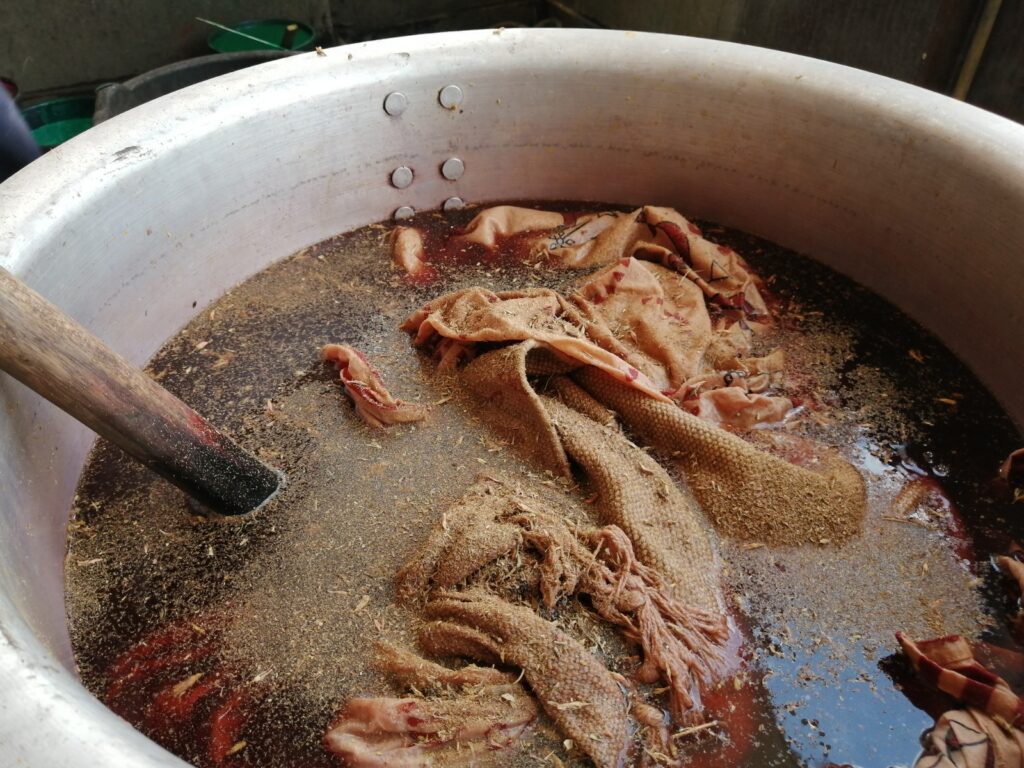
Fabric being dipped into an indigo dye vat “Fabric dipped in natural indigo dye bath in Bagru workshop”]
Depending on the design, the fabric may be dipped into a dye bath — often indigo for blues, or a mix of madder root and other plant-based colors for warmer tones. This is where the whole printing and dyeing process really comes alive, as the fabric slowly absorbs color from the vat.
Step 7: Washing, Sun-Drying, and Color Fixing
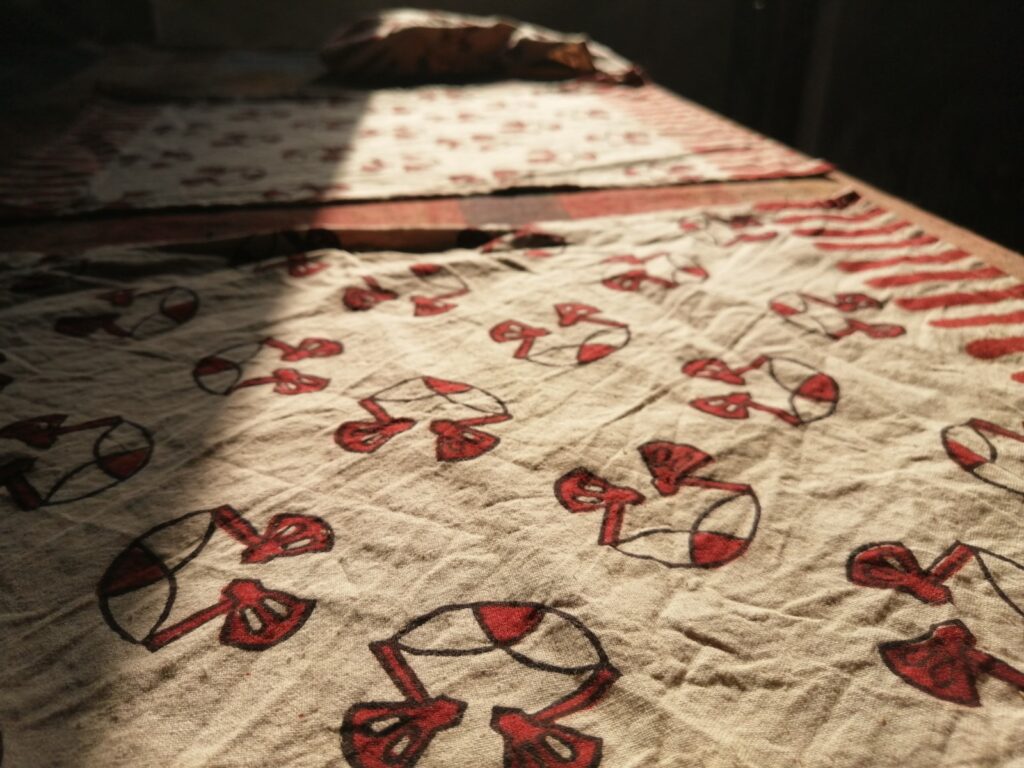
Freshly dyed fabric laid out to dry under open sky in Bagru — “Naturally dyed fabric sun-drying in Bagru, Rajasthan”]
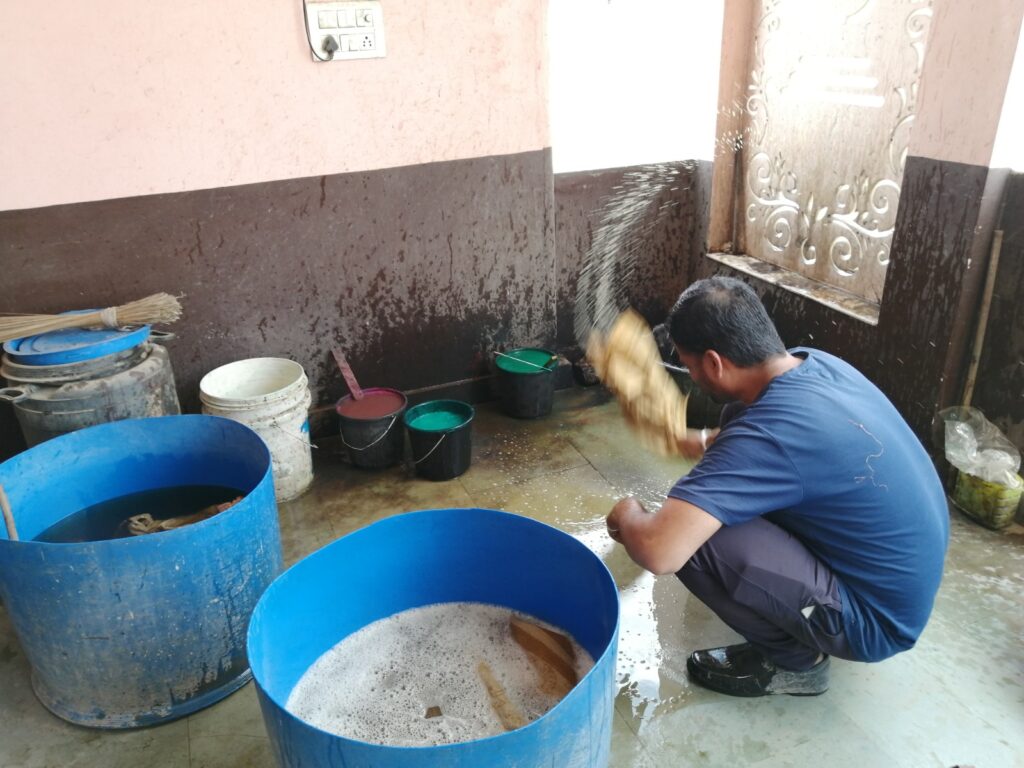
Once dyed, the fabric is washed in water to remove any excess dye, then laid out flat under the open Rajasthan sun to dry. This sun-drying step is part of why naturally dyed fabric has that slightly soft, weathered texture that machine-made prints simply cannot copy. In some cases, the fabric is boiled again with natural fixing agents to lock the color in permanently.
From start to finish, this entire process can take anywhere from several days to a couple of weeks, depending on the shade, the fabric, and the weather.
Why This Craft Is More Sustainable
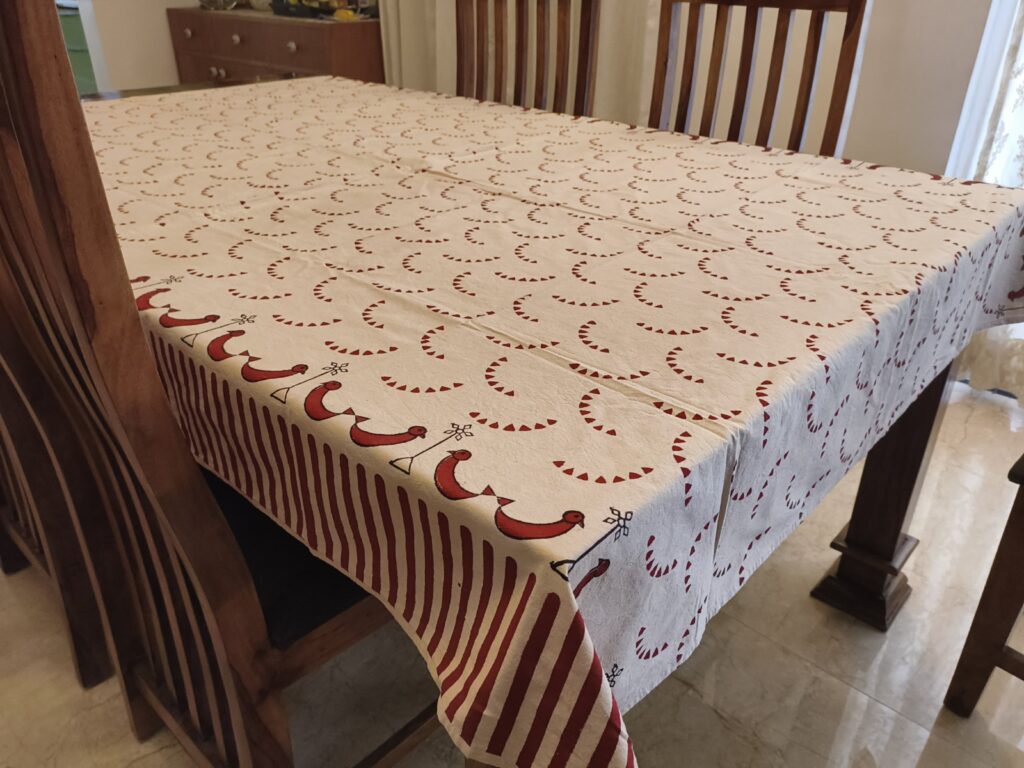
Here’s something worth thinking about: every time you choose naturally dyed fabric, you’re skipping an entire chain of harmful chemical runoff that ends up in rivers and groundwater. Synthetic dyeing is one of the biggest sources of water pollution in the textile industry. This eco-friendly printing approach, on the other hand, uses biodegradable materials — plants, minerals, and clay — that don’t harm the soil or water they eventually return to.
This is why sustainable fashion brands and conscious buyers around the world are turning back to plant-based dyeing. It’s not just a style choice anymore; it’s a genuinely lower-impact way to make textiles. A few reasons this craft stands out as a sustainable practice:
- No toxic chemical runoff from dye vats
- Biodegradable waste (mud, plant fiber, natural pigments)
- Supports traditional artisan livelihoods instead of factory labor
- Naturally skin-safe, which matters for people with sensitive skin or allergies
- Uses renewable, vegetable dye sources instead of petroleum-derived pigments
At Anaprinta, sustainability isn’t a marketing line — it’s simply how the craft has always worked in Bagru, long before the word existed in fashion conversations.
Natural Dye Printing vs Chemical Printing: What’s the Real Difference?
A lot of people assume all block-printed fabric is the same, but there’s a real difference between naturally dyed prints and chemically dyed ones:
| Natural Dye Printing | Chemical/Synthetic Printing |
| Colors come from plants, roots, minerals | Colors come from synthetic chemical pigments |
| Slight color variation between batches (a feature, not a flaw) | Perfectly uniform, identical every time |
| Biodegradable dyeing process | Can involve toxic runoff |
| Softens and improves with wash and time | Often fades or cracks over time |
| Naturally skin-safe | May cause irritation for sensitive skin |
| Slower, artisan-led process | Fast, machine-based process |
Neither is “wrong,” but if you’re looking for fabric with character, a lower environmental footprint, and real craftsmanship behind it, this plant-dyed printing tradition is the clear choice.
Why Choose Anaprinta and Anup Chhipa for Natural Dye Printing in Bagru?
This is the question we get asked the most — with so many workshops and print houses in Bagru, why get your printing done through Anaprinta, and specifically through its owner, Anup Chhipa?
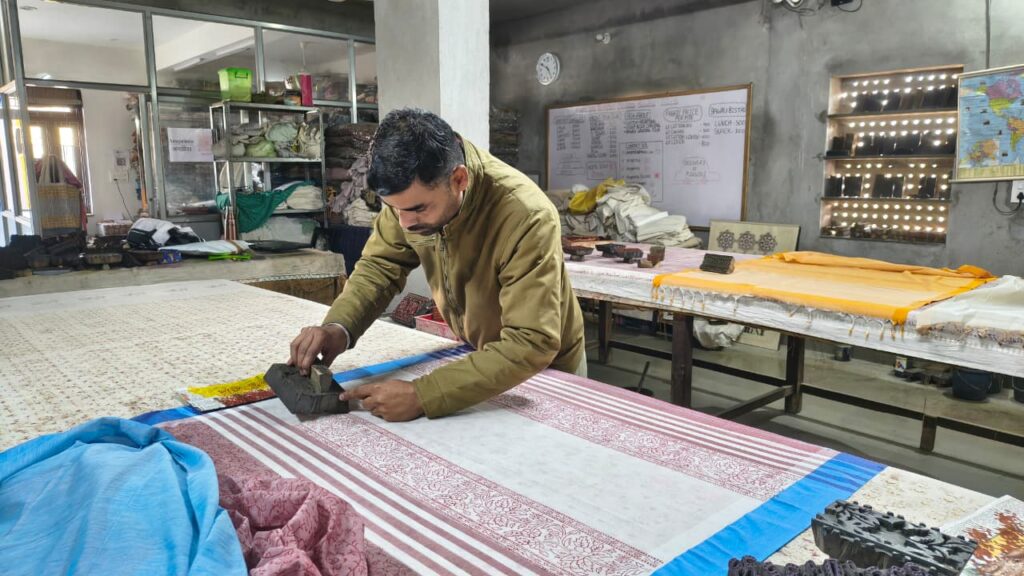
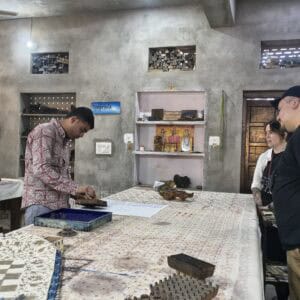
Anup Chhipa working at a printing table in the studio — “Anup Chhipa, fifth-generation block printer, at Anaprinta studio in Bagru”
The honest answer is experience passed down through blood, not training manuals. Anup Chhipa is a fifth-generation block printer from the Chippa community — the same community that brought natural dyeing and mud-resist printing to Bagru 400 to 500 years ago. This isn’t a skill he learned from a course. He grew up watching his father, grandfather, and great-grandfather prepare indigo vats, mix mordants by hand, and carve blocks — knowledge that simply isn’t written down anywhere, only passed on from one generation to the next.
A few reasons this matters when you’re choosing where to get your natural dye printing done:
- Authenticity you can trust: Anup and his artisans use the exact same dyeing recipes and techniques used in Bagru for generations — not a simplified or shortcut version made for tourists.
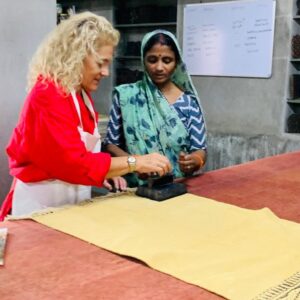
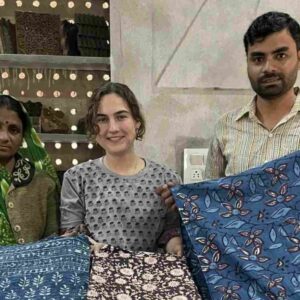
- Direct artisan collaboration: There’s no middleman here. When you work with Anaprinta, you’re working directly with the artisans doing the printing and dyeing themselves.
- Transparent, skin-safe dyes: Every dye used at Anaprinta is clearly labeled, whether it’s a natural plant-based color or a clear, safe pigment dye — nothing hidden.
- Custom work at scale: Whether you want a single hand-printed scarf or a full custom fabric collection for your brand, Anup works directly with designers, boutiques, and hospitality partners to match exact color and pattern requirements.
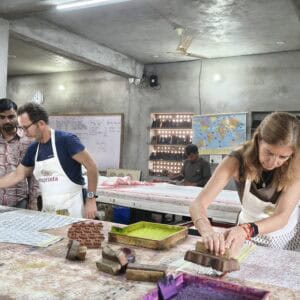
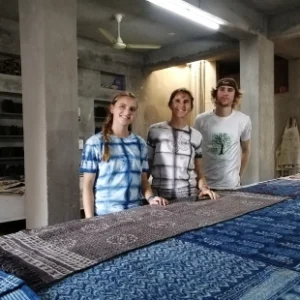
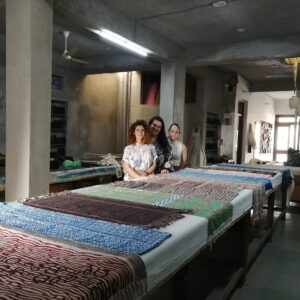
- A living workshop, not a demo: Visitors don’t just watch printing happen — they work alongside real artisans in the same courtyards this craft has been practiced in for generations.
If you care about where your fabric actually comes from — not just what it looks like — that’s exactly why people choose to get their natural dye printing in Bagru done through Anaprinta and Anup Chhipa specifically, rather than a generic print house.
Experience Natural Dye Printing at Anaprinta’s Workshop
Reading about this craft is one thing. Actually dipping fabric into an indigo vat, watching a plain white cloth slowly turn deep blue in front of you, is a completely different experience.
[Visitor dipping fabric into an indigo vat during a workshop — “Visitor learning natural indigo dyeing at Anaprinta workshop in Bagru”]
At Anaprinta’s studio in Bagru, our hand block printing workshops are designed for complete beginners — no art background needed, just curiosity. Depending on how deep you want to go, you can choose from:
- A one-day introduction, where you’ll learn pigment printing basics and print your own tote bag, scarf, or rug.
- A two-day workshop, focused specifically on natural dyeing, Dabu resist printing, and working with natural indigo dye and Kashish (ferrous sulphate) dyes.
- A four-day deep-dive, covering pigment, natural, resist, and Shibori techniques for anyone who wants a complete understanding of Bagru’s printing traditions.
If you’d like to understand the mud-resist side of this craft in more depth, our earlier blog on the Dabu printing process breaks down exactly how mud and natural dye come together to create those signature earthy patterns. And if you’re simply deciding whether a workshop trip to Bagru is worth it, our post on why every traveler should join a hand block printing workshop in Bagru covers that from a visitor’s point of view.
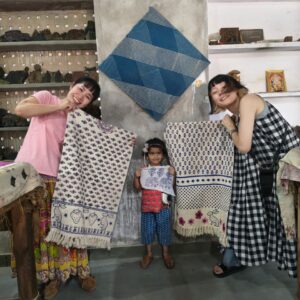
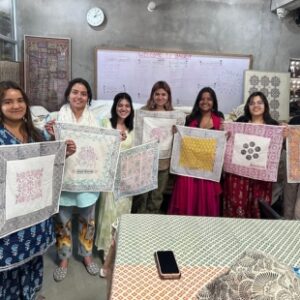
Every workshop includes a traditional local lunch, guided instruction from experienced artisans, and a finished, hand-printed piece you take home yourself — dyed and printed with your own hands.
Tips for Choosing Genuine Natural Fabric Dye Products
If you’re buying naturally dyed fabric rather than making it yourself, here’s how to make sure you’re getting the real thing and not a chemically printed imitation labeled as “natural”:
- Look for slight color variation. Genuine natural dye printing never produces two pieces that are perfectly identical. Uniform, flawless color across every unit is usually a sign of chemical dye.
- Ask what the dye is made from. A transparent seller will tell you exactly which roots, flowers, or minerals were used — indigo, madder, turmeric, marigold, and so on.
- Check the smell. Freshly natural-dyed fabric can carry a faint earthy or herbal scent, especially soon after dyeing.
- Expect the fabric to soften over time. Naturally dyed cotton tends to feel better after a few washes, not worse.
- Buy directly from artisans when you can. Buying natural fabric dye and vegetable dye products directly from a print house like Anaprinta means you’re supporting the actual hands that made it, not a reseller.
Final Thoughts
This craft is proof that some of the oldest techniques are still the best ones. Plants, minerals, sunlight, and patience — that’s really all it takes to create fabric that machines could never truly replicate. And once you understand everything that goes into a single naturally dyed, hand block-printed piece, it’s hard not to see it differently the next time you wear or buy one.
If you’re planning a trip to Jaipur, or simply looking for genuinely handcrafted, sustainable textiles, we’d love to have you at Anaprinta. Come see the indigo vats, meet the artisans, and take home a piece of fabric that carries a real story — dyed the same way it has been in Bagru for generations.
Book Your Natural Dye Printing Workshop with Anaprinta →
You can also explore our story and meet Anup Chhipa on our About Us page, or reach out for custom natural dye printing orders for your own project.
Frequently Asked Questions
1. What is natural dye printing? It’s a textile printing technique where fabric is colored using dyes extracted from plants, flowers, roots, and minerals instead of synthetic chemicals, then hand block-printed and fixed using natural mordants.
2. What is natural indigo dye made from? Natural indigo dye comes from the indigo plant, which is fermented in large vats over several weeks to release its deep blue pigment — one of the oldest dyeing methods still used in Bagru today.
3. Are natural dyes from flowers actually durable? Yes. When paired with the right mordant, natural dyes from flowers like marigold, along with roots like madder, bind well to fabric fibers and can last for years with proper care.
4. Is natural dye printing more sustainable than chemical printing? Generally, yes. Natural dye printing avoids the toxic chemical runoff associated with synthetic dyeing and uses biodegradable, vegetable dye materials, making it a genuinely more sustainable choice.
5. Why should I choose Anaprinta for natural dye printing in Bagru? Anaprinta is led by Anup Chhipa, a fifth-generation Bagru block printer, offering direct artisan collaboration, transparent dye practices, and hands-on workshops rather than a mass-produced or outsourced printing experience.
6. Can I buy natural fabric dye products directly from Anaprinta? Yes. Anaprinta offers both finished naturally dyed products and custom orders for individuals, designers, and businesses, with worldwide shipping available.