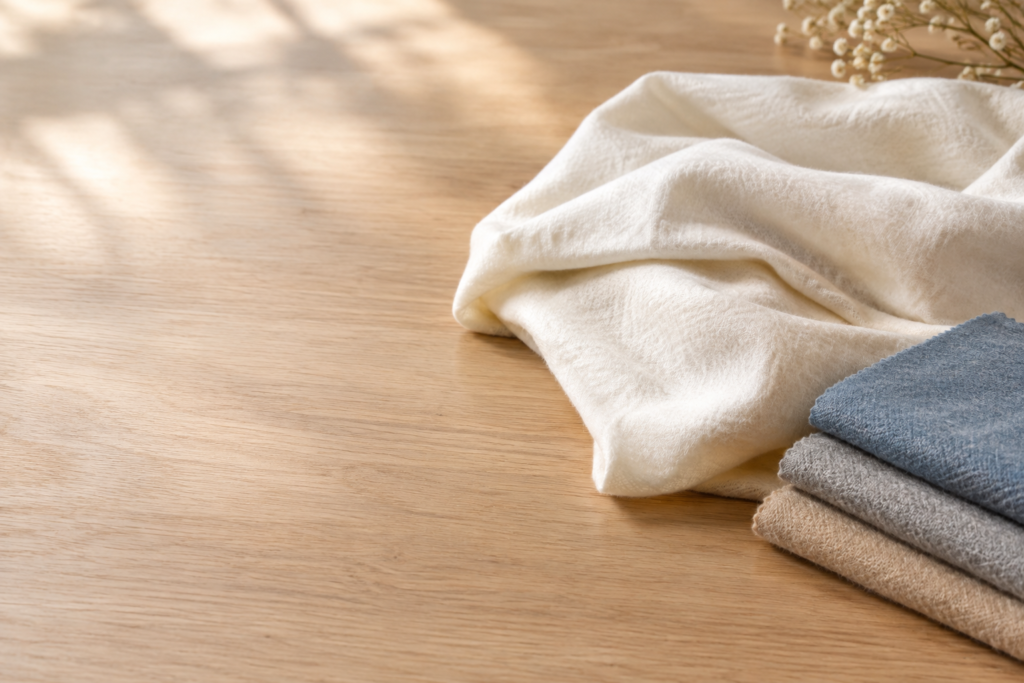
Pick up a flannel shirt on a cold morning and the first thing you notice isn’t the colour. It’s the feel. Soft, a little fuzzy, almost like wearing a blanket. That feel is what separates flannel cloth from the smooth cotton most of us wear the rest of the year.
But what is flannel fabric, really? Is it a pattern? A kind of cotton? And why does it shrink so badly the first time you wash it? In this guide we’ll go through the flannel fabric meaning, how it’s made, the main types, everyday flannel uses, and why white flannel fabric shows up in so many sewing projects.
We’re a block printing studio in Bagru, Rajasthan, so cotton is what we handle all day long. We’ll also be honest about where flannel and handmade cotton overlap, and where they don’t.
Quick answer: Flannel cloth is a soft woven fabric made from cotton, wool or a blend. After weaving, the surface is brushed (this step is called napping) so tiny fibres stand up and form a fuzzy layer that holds warm air close to the body. Plaid is a pattern. Flannel is the fabric, and it can be checked, striped or plain, including plain white.

What Is Flannel Fabric?
Flannel is a woven fabric that can be light, medium or heavy. Underneath, the weave is usually plain or twill. What makes it flannel is the loosely spun yarn and the brushing that comes after weaving.
Here’s an easy way to picture it. A cotton poplin shirt has a flat, smooth face. Flannel cloth has a raised face, with thousands of tiny fibre ends lifted off the surface. Those loose ends trap air, and trapped air is what keeps you warm. A woollen jumper works on the same idea, only this is a woven cloth.
Most flannel sold today is cotton, because cotton is affordable and easy to wash. Wool flannel is the older, more traditional version, and it’s still loved for tailored trousers and suits. You’ll also come across flannel made from synthetic fibres or blends, usually to keep the price down.
Flannel Fabric Meaning and Where the Word Comes From
The flannel fabric meaning is simple on paper: a soft, brushed cloth made for warmth. The history of the word is a bit foggy. Most sources point to Wales, where a coarse woollen cloth was being woven back in the 1500s and 1600s. One theory links the name to the Welsh word gwlanen, which means woollen cloth. Another says it travelled through the Old French word flaine. Nobody is completely sure.
Early Welsh flannel was wool, and it was made for people who needed something warm that would last. Cotton flannel came later and is much more affordable, which is why it’s the version most of us know now.
Two quick clarifications, because people mix these up all the time:
- Flannel is not plaid. Plaid is a pattern. Flannel is a fabric. Lots of flannel is plain or striped, and plenty of plaid shirts aren’t flannel at all.
- In British English, a “flannel” can also be a face cloth. It’s the small square you use to wash your face. Same word, completely different object.
How Flannel Cloth Is Made
The process is easier to follow step by step.
- Spinning. The yarn is spun loosely instead of being tightly twisted. This matters, because loose yarn fluffs up much more easily later.
- Weaving. The yarn is woven in a plain or twill weave.
- Napping. Fine metal brushes rub the cloth and pull tiny fibres up from the yarn. One side or both sides can be brushed, and double-napped flannel feels thicker and softer.
- Dyeing or printing. Colour is added once the nap is raised.
- Finishing. Dyeing and washing can flatten the fuzz, so many mills brush the cloth once more at the end to bring it back.
Wool flannel has one more step called milling, where the cloth is worked so the fibres tighten together and the surface turns soft and slightly felted. Worsted wool flannel reacts differently and ends up smoother and lighter.

Types of Flannel Cloth
Not all flannel is the same. These are the types you’ll run into most often:
- Cotton flannel (also called Canton flannel): the everyday one, napped on one or both sides. Used for shirts, nightwear and sheets.
- Wool flannel: the traditional kind. Woollen yarn gives a denser nap, while worsted is lighter and firmer. French flannel is a wool version with a more fluid drape.
- Flannelette: a napped cotton fabric that imitates the texture of flannel.
- Outing flannel: a heavier cotton flannel used for light jackets, shirts and dresses.
- Baby flannel: a lightweight fabric used for children’s clothing.
- Diaper flannel: a sturdy cotton napped on both sides, made for cloth diapers.
- Ceylon flannel: an old name for a wool and cotton mix.
- Vegetable flannel: invented in Germany in the 1800s, using fibres from Scots pine instead of wool.
Flannel Uses: Where This Fabric Earns Its Place
Flannel uses go far beyond the checked shirt. Here are the flannel fabric uses you’ll see most often, plus a few you might not expect.
Clothing. Shirts, pyjamas, loungewear and skirts. Wool flannel goes into trousers and suits.
Bedding. Sheets, duvet covers and blankets. This is one of the biggest flannel fabric uses, because flannel feels warm the moment you get in.
Baby items. Receiving blankets, swaddles and cloth diapers.
Home textiles. Cushion covers, light throws and curtain linings.
Quilting and craft. Quilters use flannel for backing, and some use it in place of batting. It’s also a favourite for memory quilts stitched from old shirts.
Accessories. Scarves, bandanas and lined hats.
Cleaning cloths. In India, flannel is also cut into soft dusters, and textile suppliers sell them in bulk.

White Flannel Fabric: Why Plain White Is So Popular
Search for white flannel fabric online and you’ll find thousands of listings, mostly sold by the yard or half yard. There’s a good reason. White flannel cloth is a blank page.
Here’s what people use it for:
- Baby blankets and nursery items, where a soft plain base feels right.
- Quilt backing and quilt tops.
- Pyjamas, robes and simple loungewear.
- A base for dyeing or printing. Many mills sell flannel that is “prepared for dyeing” (often shortened to PFD), which means it has been cleaned and left undyed so you can colour it yourself.
- Linings and interlinings in jackets and coats, where it adds warmth without showing.
Weights vary a lot. White cotton flannel is commonly sold at roughly 150 to 225 gsm, which is about 4.5 to 6.5 oz per square yard. Lighter pieces suit shirts and nightwear. Heavier ones suit blankets and winter linings.
One buying tip: hold your white flannel cloth up to the light. If you can see through it easily, it’s thin. For baby items and sleepwear, look for a denser, double-brushed piece that keeps its shape after washing.
One safety note too. In several countries, fabric used for children’s sleepwear has to meet flammability rules, and many plain flannels sold in fabric shops say clearly that they aren’t meant for children’s sleepwear. If you’re sewing for a child, read the label first.
The Good and the Not-So-Good of Flannel Cloth
What flannel does well
- Keeps you warm without feeling heavy.
- Feels soft against the skin.
- Absorbs moisture well, especially in cotton.
- Is easy to sew and forgiving for beginners.
What to watch out for
- It shrinks. Some guides say cotton flannel can lose up to 10 to 15 percent in the first wash.
- It can pill with heavy use.
- The thick, fuzzy cloth can blunt sewing needles.
- It’s too warm for summer.
- Wool flannel is not a hard-wearing fabric, so it needs gentler handling.
How to Choose Good Flannel Cloth
A few simple checks make a big difference at the shop counter.
- Check the fibre. 100% cotton is a safe pick for bedding and baby items. Wool is better for tailoring.
- Think about weight. Go lighter for shirts and pyjamas, heavier for blankets and winter wear.
- Look for double napping. Brushing on both sides feels softer and warmer.
- Run your hand over it. The nap should feel even, with no bald patches.
- Buy a little extra. Shrinkage will eat into your length.
How to Care for Flannel
Good care keeps flannel cloth soft for years.
- Pre-wash before you sew. Wash and dry the fabric fully before cutting, so shrinkage happens before your project does.
- Wash gently. Cotton flannel does well on a gentle cycle at 30 to 40°C. Wool flannel needs a wool programme or dry cleaning.
- Go easy on softener. Heavy liquid fabric softener can leave the cloth stiff over time. A splash of white vinegar in the rinse helps reduce pilling.
- Dry kindly. Cotton flannel generally prefers a low dryer setting or a line.
- Press, don’t drag. Iron while the cloth is slightly damp and lift the iron instead of sliding it, so the fabric doesn’t stretch.
- Sewing tip. Finish raw edges with a zigzag stitch, because flannel frays easily, and keep a sharp needle handy.

Flannel Cloth vs Block Printed Cotton: Where Anaprinta Fits In
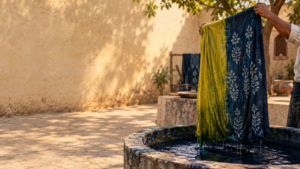
We should be upfront about something. We don’t weave or sell flannel. Anaprinta is a hand block printing studio in Bagru, near Jaipur, and the fabric we work with every day is smooth cotton. Teak blocks carved by hand, natural dyes, cloth left to dry in the sun.
So why write about flannel? Because visitors often ask us how the soft winter cloth they know differs from the cotton we print. The short answer is the surface. Flannel has a raised, brushed face, which makes it warm. Our cotton has a flat face, which makes it cool, breathable and clean enough to hold a fine block print. When a nap sits over a printed motif, the edges tend to look softer, so crisp hand block prints usually look best on smooth cloth.
If you like handmade textiles for warmer months or for your home, have a look at our products, such as the Natural Hand Block Printed Cotton Fabric in a traditional Indian print. Living outside India? You can shop our hand block printed cotton on our Etsy shop.
Curious how plain undyed cloth turns into a printed piece? Our block printing workshops in Bagru run from one day to six days, and you print your own piece. Every indigo piece starts as plain white cloth, and we’ve written about that in our guide to natural indigo dyeing in Bagru. If you’re new to printing, our post on pigment printing for beginners is a gentle place to start.
Flannel Cloth FAQs
Is flannel only for winter? Mostly, yes. Heavy flannel is a cold-weather fabric. Lightweight cotton flannel can work for cool evenings or air-conditioned rooms.
Is flannel 100% cotton? Not always. Flannel can be made from cotton, wool, synthetic fibres or a blend. Check the label if fibre content matters to you.
Does flannel shrink? Yes, especially cotton flannel. Pre-wash and dry it before cutting.
Is flannel the same as plaid? No. Flannel is the fabric and plaid is the pattern. Plaid can be woven on many fabrics, and flannel can be plain.
Can you dye or print white flannel fabric? Yes. Undyed flannel is sold for exactly this reason. Just keep in mind that the raised nap softens fine detail.
Final Thoughts
Flannel cloth comes down to one thing: a brushed surface that holds warmth. Cotton for everyday wear and bedding, wool for tailoring, white for anything you plan to colour or keep simple. Now that you know the flannel fabric meaning, the main types and the most common flannel uses, you can pick the right one without second-guessing the label.
If you enjoy textile stories, follow us on Instagram for daily glimpses of blocks, dye vats and fabric drying in Bagru. And if you’d like to bring home something handmade, visit the Anaprinta home page or browse our Etsy shop.
Further reading: Flannel on Wikipedia