Bagru Photography Tour: Capture the Colors, Crafts & Culture of Rajasthan
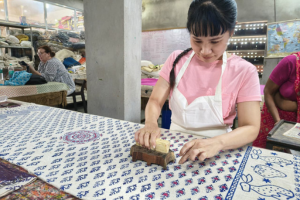
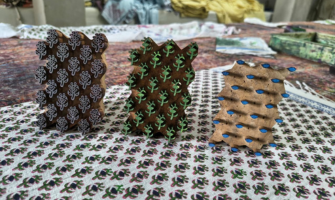
The Bagru Photography Tour — officially run as the Bagru Photo Walking Tour — is a 2-hour guided walking experience (9 AM–11 AM) through Bagru, a heritage printing village about 30 km from Jaipur. For ₹1,000 per person (approx. $12), you’re introduced to the art of hand block carving and its tools, and taken to visit block carvers and printing artisans while learning about mordants and the printing process. It’s built specifically for photographers and curious travelers — not a full hands-on workshop — so you spend your time observing, asking questions, and shooting. If you’re planning a Jaipur trip and want something more real than another fort or palace stop, this guide covers exactly what the Bagru Photography Tour includes, what you’ll see and photograph, how it’s priced, and how to book it. What Is the Bagru Photography Tour? The Bagru Photography Tour, booked as the Bagru Photo Walking Tour, is a short, focused walking tour designed around observation and photography rather than making your own printed fabric. In two hours, a local guide takes you through the village to: At ₹1,000 per person (approx. $12), it’s priced as an entry point: ideal if you have limited time in Jaipur, want to see the craft up close, and mainly want great photos rather than a full DIY printing session. Why This Tour Works Well for Photographers Most Jaipur photography tours send you to landmarks that are already crowded and heavily photographed — Hawa Mahal, Amber Fort, Jal Mahal. The shots start to look the same after a while. This tour is different because it takes you into a living, working village instead of a monument. In just two hours, you get: For anyone searching for a genuine photography tour in Jaipur, this short window in Bagru consistently delivers more original images than a half-day at the city’s main landmarks. What You’ll Actually Photograph Because this tour is centered on carving and printing artisans rather than a full workshop day, most of your shots will come from: This combination of Bagru block printing tour elements — carving, printing, and process explanation — is what makes this specific walk different from a general village stroll. What Past Visitors Say About Bagru’s Artisan Community Reviews of Bagru-based studios consistently mention the same things: warm, patient artisans who are happy to explain their craft, guided walks past block carvers and printing workshops, and visitors being welcomed to take photos throughout. Several reviews specifically describe being guided past wood carvers, dye vats, and printing studios in one connected walk — exactly the structure of the Photo Walking Tour. These details come from independent travelers, not marketing copy, and they’re a good sign of what to expect from a short guided walk like this one. Bagru Photography Tour vs a Full Hands-On Workshop If you’re not sure whether to book this photo tour or a longer workshop, here’s the difference: Bagru Photography Tour Full-Day Workshop Duration 2 hours (9–11 AM) 5 hours (9 AM–2 PM) Price ₹1,000 (~$12) From ₹3,000 (~$35) Main focus Observing, learning, photographing Hands-on printing your own fabric You take home Photos and knowledge of the craft Photos + a hand-printed item you made Best for Photographers, short-on-time travelers Travelers who want a DIY souvenir too If your main goal is photography and you’re tight on time, the Bagru Photography Tour is the better fit. If you also want to print your own fabric to take home, a full workshop is worth the extra time and cost — see workshop options here. Bagru vs Sanganer vs City Landmarks: Which Is Better for Photography? Location Best For Crowd Level What Makes It Unique Amber Fort Architecture, heritage shots High Grand Rajput-era structures Hawa Mahal Iconic city facade Very High Famous pink sandstone front Sanganer Textile printing (commercial) Medium Larger, factory-style print units Bagru Craft, culture, village life Low Small family workshops, live carving & printing If you want architecture, go to Amber Fort. If you want authentic, low-crowd craft photography in a short window, this tour is hard to beat. How the Tour Works: Step by Step Understanding the Craft Behind the Camera Knowing how block printing works makes your photos more meaningful, not just prettier. The general process behind what you’ll see on the tour: Because the Photo Walking Tour focuses specifically on carving, printing, and mordants, you leave with a real understanding of the craft — not just pretty pictures. Best Time to Book the Tour What to Pack Photography Etiquette Who This Tour Is Best For People Also Search For If you’re researching this trip, you’ve probably typed queries like these too — here’s the short version of each: Key Takeaways Frequently Asked Questions 1. What is the Bagru Photography Tour? It’s a 2-hour guided walking tour (9 AM–11 AM) in Bagru village, officially called the Bagru Photo Walking Tour, focused on photography and learning about hand block carving, printing artisans, and the mordant process. 2. How much does the Bagru Photography Tour cost? It costs ₹1,000 per person, approximately $12. 3. How long does the tour take? The tour runs for 2 hours, from 9 AM to 11 AM. 4. Do I get to print my own fabric on this tour? No, this tour is focused on observing and photographing block carving and printing. If you want a hands-on printing experience, choose one of the full-day workshops instead. 5. How far is Bagru from Jaipur, and how do I get there? Bagru is about 30 km from Jaipur, roughly a 45–60 minute drive by car or taxi. 6. Is this tour good for beginner photographers? Yes. The morning light, slow pace, and close access to artisans make it easy for beginners to practice portraits and detail shots. 7. What will I see on this tour? You’ll visit block carvers to see how wooden printing blocks are made, then printing artisans to see fabric being hand-printed, along with an explanation of mordants and the overall process. 8. Is Bagru